
Q01 What are the differences between Crank Press and Toggle Press?
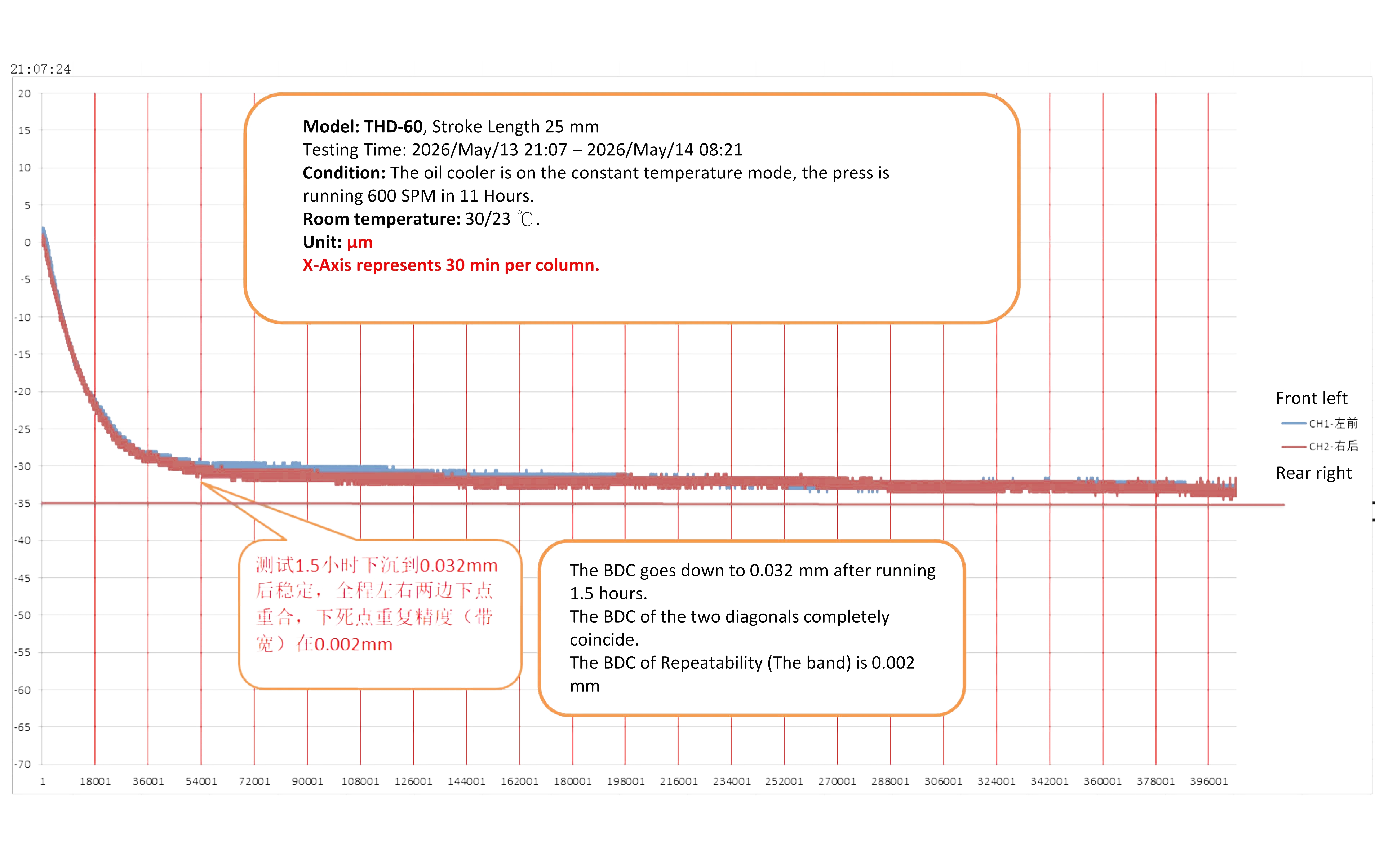
The main difference between a toggle press and a crank press is the drive mechanism and the slide motion near bottom dead center (BDC). A crank press uses a crank-and-connecting-rod mechanism and provides faster stamping speed, a simpler structure and broad production flexibility. A toggle press, also known as a knuckle-joint press, uses a toggle linkage that slows the slide near BDC, providing a longer forming and pressure-holding period for precision metal stamping.
| Crank Press | Item | Toggle Press |
| Crank-and-connecting-rod mechanism | Drive Mechanism | Toggle or knuckle-joint linkage mechanism |
| Slide motion follows a near-standard sine curveShorter forming time near BDC | Slide Motion | Slower slide motion near BDC Longer forming and pressure-holding time |
| Higher stamping speedSimpler structure and easier maintenanceBroad application rangeLower equipment cost | Advantages | High BDC accuracyMore stable precision formingLonger die lifeLower noise and vibration |
| Shorter low-speed forming period near BDC Less suitable for complexprecision forming | Limitations | More complex mechanicalstructure Higher equipment costHigher die-matching requirementsLower maximum stamping speed |
| General metal stampingPunching, blanking and bendingHigh-speed continuous stampingFlexible production | Applications | Precision metal formingDrawing and forming applicationsConnectors, terminals and precision hardware Small precision metal components |
How to choose: Choose a crank press when production speed, versatility, easier maintenance and lower equipment cost are the main priorities. Choose a toggle press when BDC accuracy, slower forming near BDC, die life and low-vibration operation are more important. The final press selection should also consider material thickness, part geometry, die dimensions, required stamping speed and accuracy requirements.
Crank Press vs. Toggle Press Slide Motion Curve:
| Crank Press | VS | Toggle Press |
| X-axis: Crank rotation angle |
| Y-axis: Slide position |
| Crank press slide motion Toggle press slide motion |
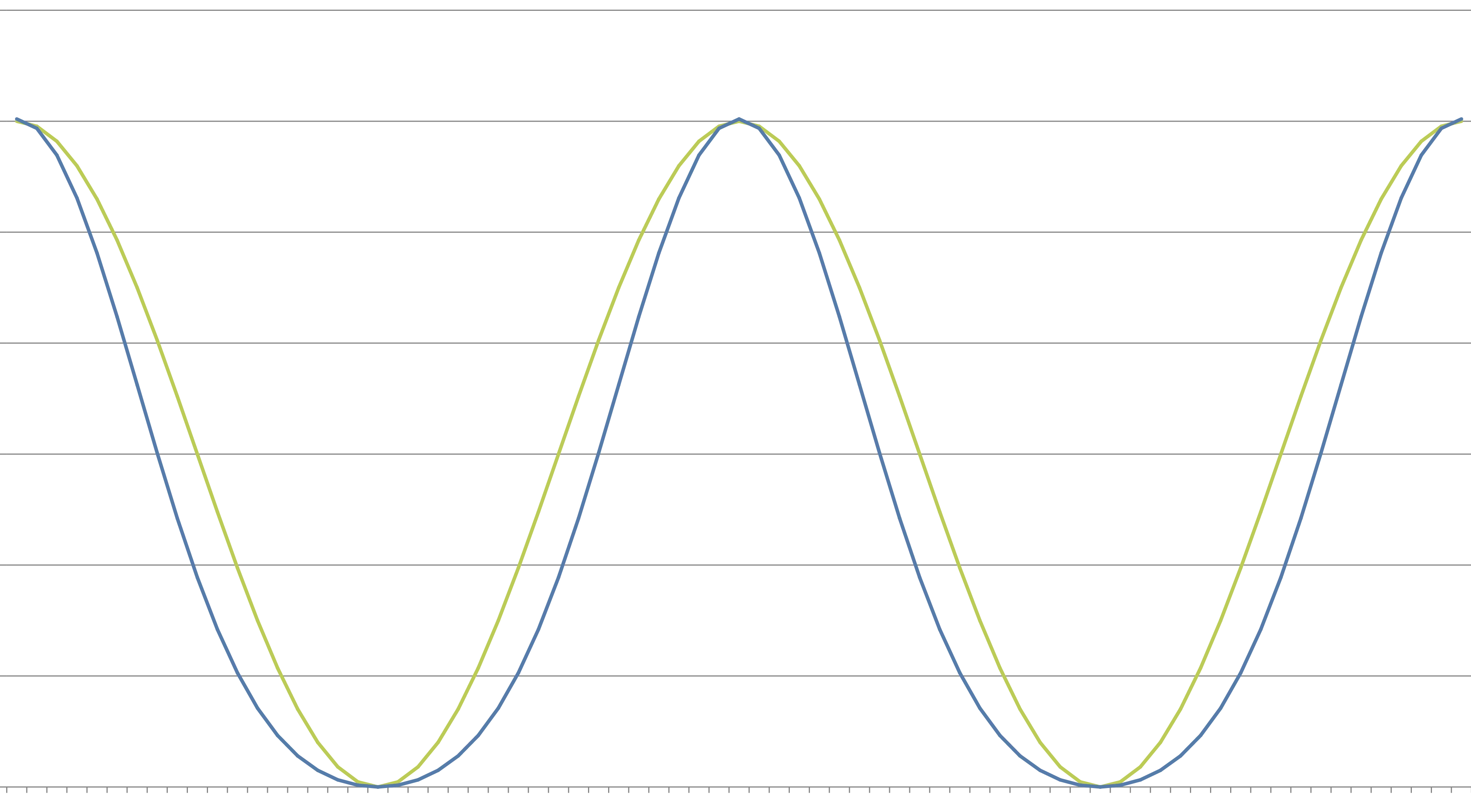
The motion curve shows that the toggle press maintains a slower slide speed for a longer period near bottom dead center, while the crank press follows a motion pattern closer to a standard sine curve.
Q02: Where are the manufacturing centers?
Plant 1: R&D Center, Machining Center and Quality Control Laboratory
Responsible for high-speed press research and development, precision component machining, dimensional inspection and quality management.
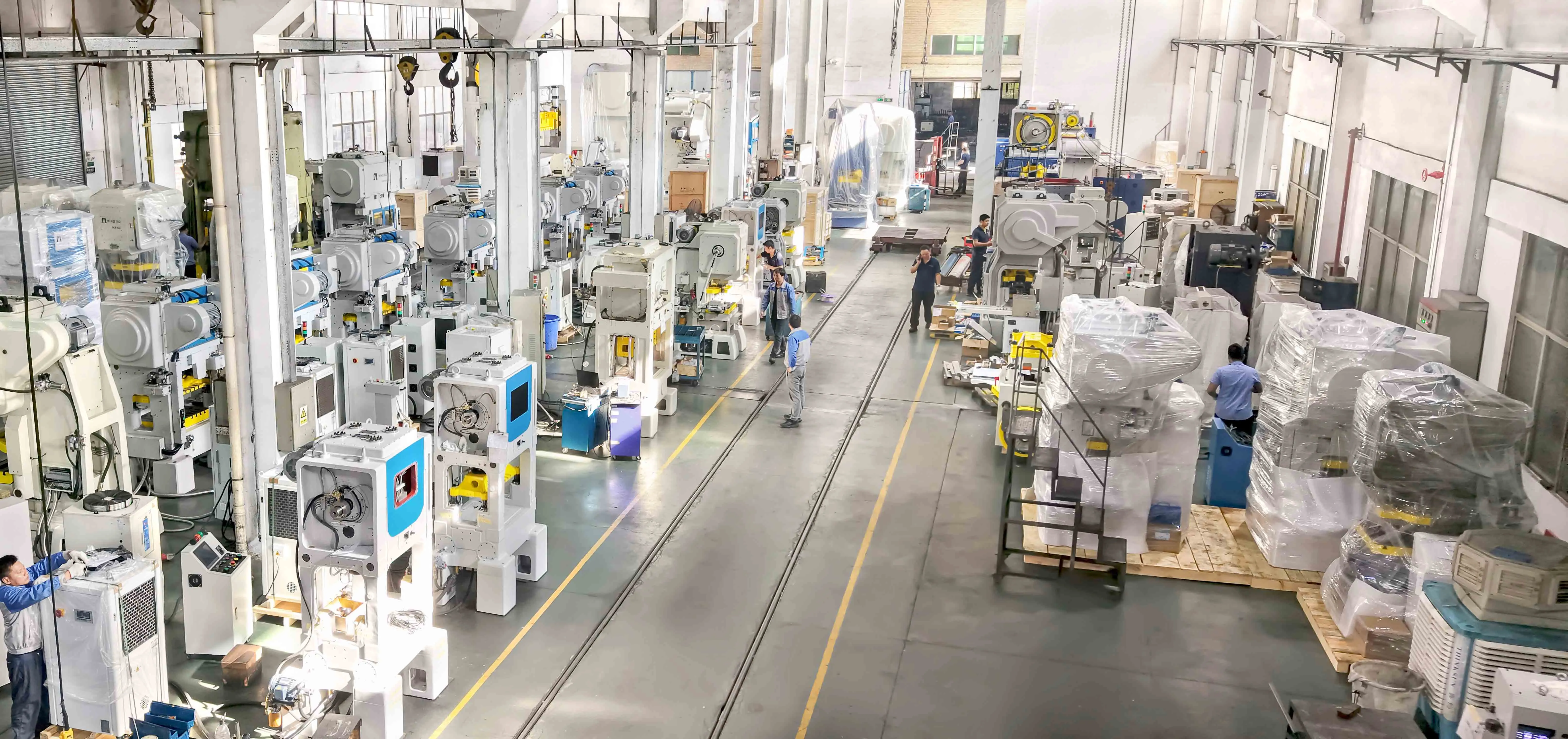
Plant 2: High-Speed Press Assembly and Production Base
Responsible for complete high-speed press assembly, production operations and manufacturing process management.
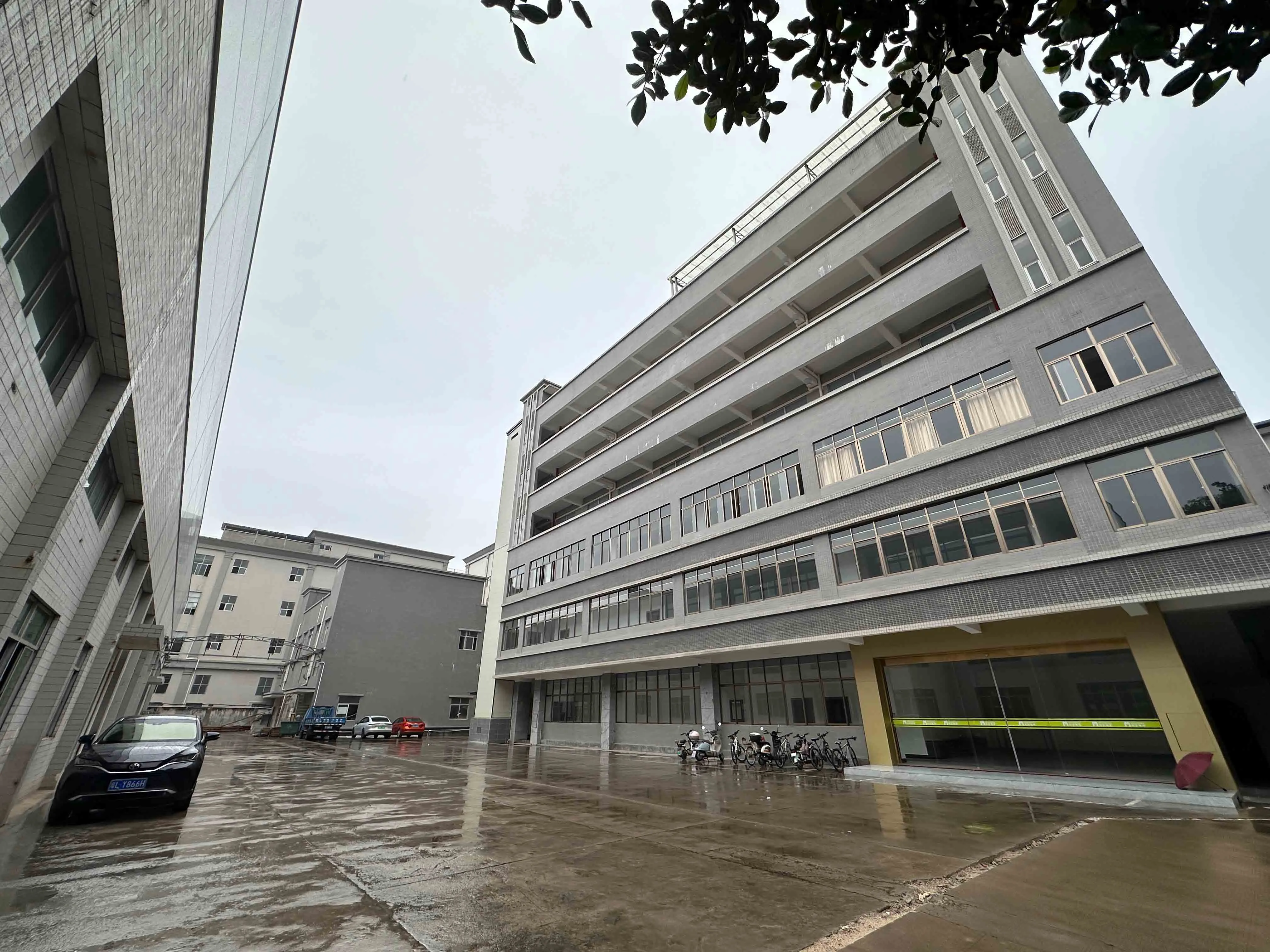
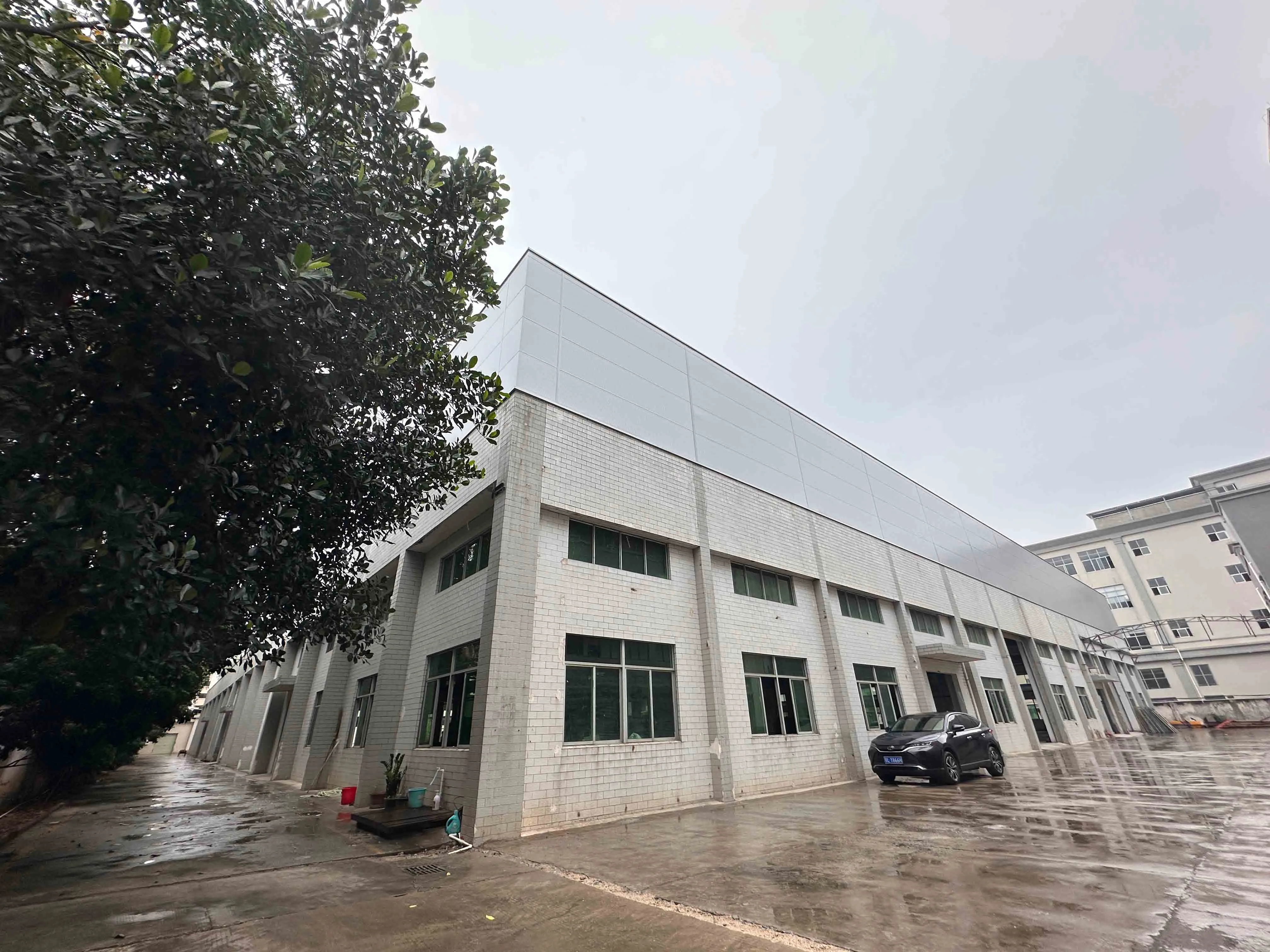
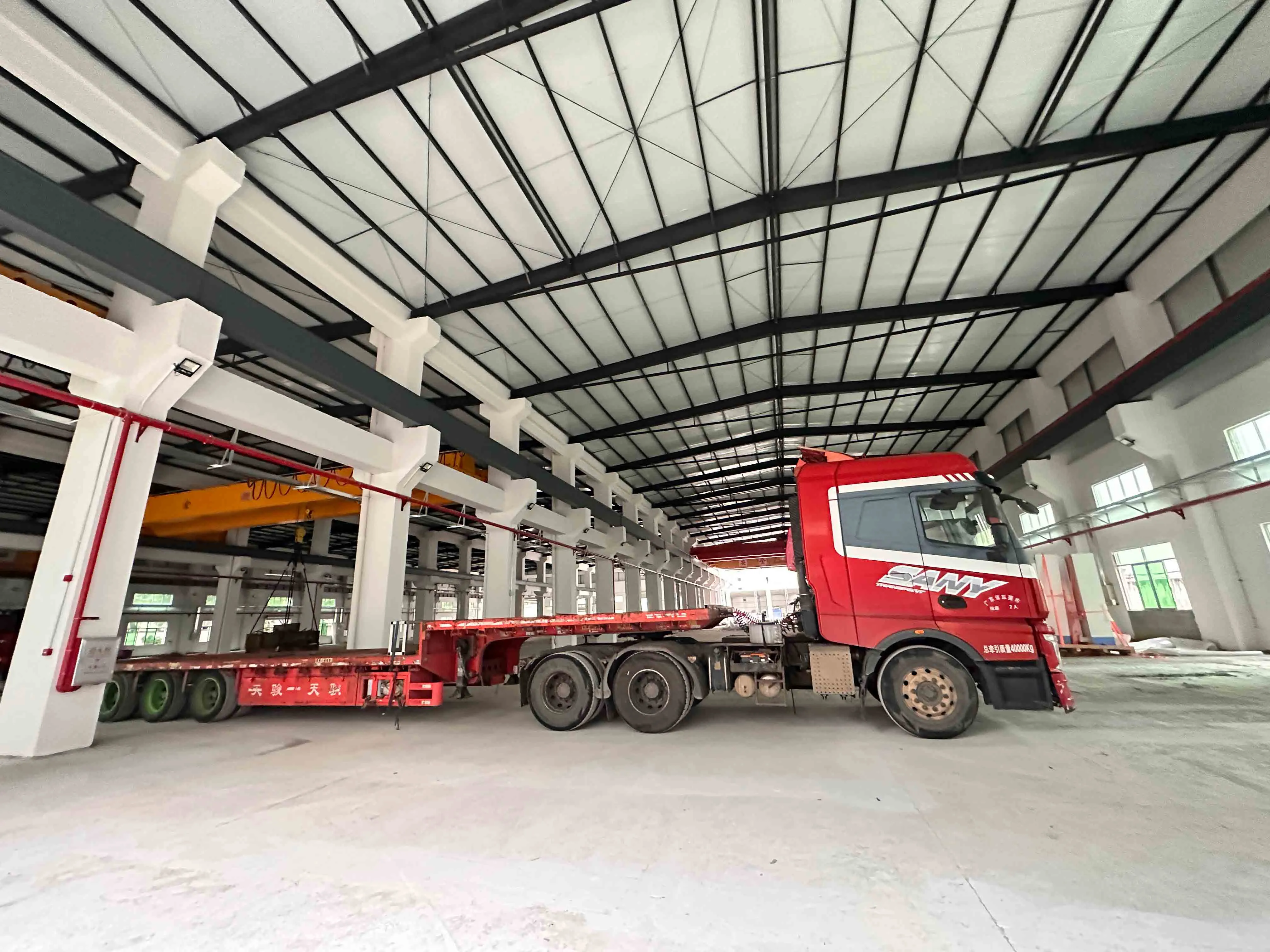
The two plants integrate product development, precision machining, quality inspection and complete machine assembly, providing a solid manufacturing foundation for the accuracy, stability and long-term reliability of Ming Xu high-speed presses.
Q03: How does the Dynamic Balancer work?
Ming Xu Precision Machinery equips its high-speed presses with an inverted dynamic balancing device to reduce unbalanced forces and mechanical vibration during high-speed operation. The system helps maintain stable press motion during continuous stamping and improves operating balance across different production speeds.
During high-speed stamping, the reciprocating movement of the slide and other moving components generates inertia forces. Stamping loads, operating speed and other internal or external factors may also affect the motion of the press.
As press speed increases, these unbalanced forces can produce additional vibration and affect the stability of continuous press operation.
Counteracts part of the inertia forces generated by the moving components.
Reduces mechanical vibration during high-speed continuous stamping.
Improves the dynamic balance of the high-speed press.
Helps the press maintain stable operation at different production speeds.
Supports smoother and more consistent press motion during long production runs.
High-speed stamping requires stable mechanical motion during repeated production cycles. By reducing vibration and improving motion balance, the inverted dynamic balancing device helps the press maintain reliable operating conditions during continuous production.
In summary:The inverted dynamic balancing device is designed to reduce unbalanced forces, control vibration and improve the high-speed operating stability of Ming Xu precision stamping presses.
Q04 Why Vibratory Stress Relief (VSR) is essential?
Ming Xu Precision Machinery applies Vibration Stress Relief (VSR) after rough machining of major high-speed press structures. The process helps reduce and redistribute residual stress generated during manufacturing, lowering the risk of deformation during precision machining, assembly and long-term operation.
Major structural components, including the press frame and slide, may develop uneven residual stress during casting, heat treatment, cutting and rough machining. If this internal stress is not properly controlled, the components may experience slight deformation during later machining or long-term production, affecting press accuracy and operating stability.
Vibration Stress Relief applies controlled vibration to the workpiece. This process allows internal stress to redistribute and helps reduce localized stress concentration. As a result, major press structures can achieve better dimensional stability before precision machining and final assembly.
In summary, Vibration Stress Relief helps reduce residual stress and deformation risk in major high-speed press structures. This process provides a more stable manufacturing foundation for the long-term mechanical accuracy of Ming Xu high-speed presses.
Q05: Why is annealing treatment applied to the press bed?
The main structure of MINGXU presses undergoes annealing treatment before machining.
Annealing is a heat treatment process in which the material is exposed to high temperatures for an extended period and then cooled slowly. Its primary purpose is to relieve internal stresses, enhance ductility and toughness, and develop a specialized microstructure.
Q06: What is the value of applying finite element analysis (FEA)?
Finite Element Analysis (FEA) is a technique that uses mathematical approximation methods to simulate real physical systems.
By applying FEA, press structures can be designed with reduced slide deformation and improved rigidity.
Q07: What are the supply sources for the core components (crankshaft and bearings)?
The crankshaft is supplied by Yuexin Crankshaft Co., part of Guangzhou Industrial Control Group (a Fortune Global 500 company).
Bearings are sourced from well-known brands such as NSK and KOYO from Japan, and FAG from Germany.
Q8: What are the characteristics of the press bed material?
The main structure of the press is made of ductile cast iron FCD500.
FCD500 offers higher strength than gray cast iron and has properties similar to steel, featuring high strength, excellent toughness, impact resistance, and fatigue resistance—ideal for high-speed press operation.
It also provides good castability and machinability, allowing for complex casting and easy processing.
Q09: How can I obtain the product specifications?
Contact our technical
sales: Nick Wu (nickwu@mx-press.com).
Q10: How to choose the model and tonnage of a press?
When selecting the tonnage and model of a press, factors such as the type of parts, material thickness, and die specifications should be considered.For more details, please contact our technical
sales: Nick Wu (nickwu@mx-press.com).
Q11: What are the application areas of the products?
Widely applied in the metal stamping industry, including 3C electronic connectors, motor stators and rotors, silicon steel stamping, chains, household appliances, automotive components, lead frames, precision hardware stamping, and other industrial applications.
Q12: What is the precision standard for the press?
According to the Japanese JIS B 6402:2020 standard, MINGXU presses are classified as top-grade precision, exceeding the first-grade accuracy of the national standard GB/T 10923.
Q13: What certifications has MINGXU Press obtained?
Q14: What is the production lead time for the press?
Standard models with a capacity of 80 tons or less have an estimated delivery time of 1–2 months, while articulated and large machines (over 80 tons) require more than 2 months for delivery.
WHERE RELENTLESS INNOVATION
MEETS UNCOMPROMISING PRECISION
TAIWAN
PRECISION PRESS